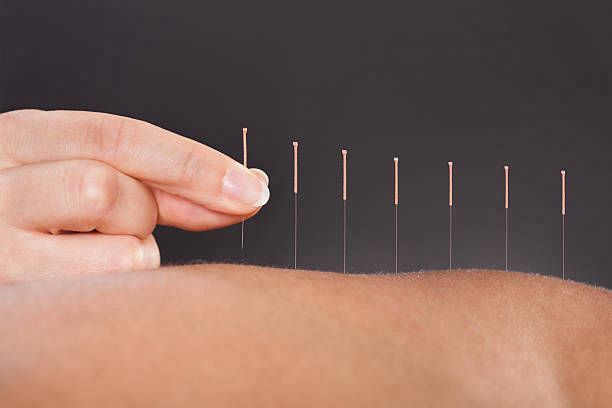

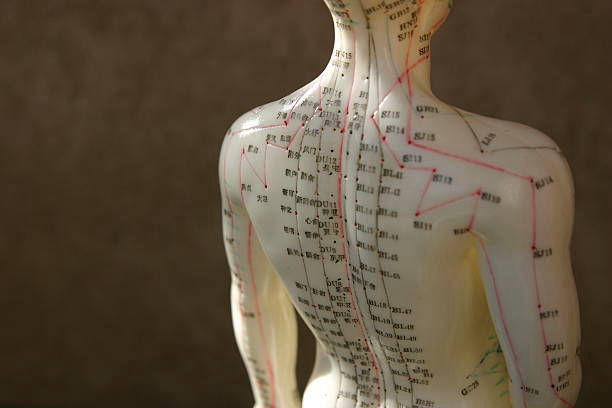

According to traditional Chinese medical theory, the symptoms and signs associated with Western diagnoses of allergies are related to imbalances within the body’s meridian and organ systems. These imbalances may arise from a variety of causes, including stress, poor diet, constitutional weakness, environmental pollutants, and toxins. Over time, if these imbalances are not corrected, they can impair the normal function of the organ systems. Some of these organ systems are involved in the production of Wei Qi (pronounced “way chee”). According to the principles of Acupuncture and Chinese Medicine, maintaining the proper quality and quantity of Wei Qi circulating throughout the body is essential for good health.
What is Wei Qi?
The Chinese concept of Wei Qi is similar to the Western concept of the immune system. Wei Qi functions to protect and defend the body against external pathogens and foreign substances that may contribute to allergies and illness. When Wei Qi is strong and abundant, the body is better able to maintain health. When Wei Qi becomes weakened or deficient, the body may become more vulnerable to external factors such as dust, mold, animal dander, bacteria, viruses, and pollen. Acupuncture and Chinese Medicine aim to support and strengthen the body systems involved in the production and circulation of Wei Qi. By enhancing Wei Qi and promoting its smooth flow throughout the body, symptoms associated with allergies may be significantly reduced or relieved.
What Will an Acupuncture Physician Do?
Dr. Kimberly Nguyen will conduct a thorough examination and obtain a complete health history. Based on this evaluation, she will develop a personalized treatment plan tailored to your specific concerns. The goals of treatment are to relieve visible symptoms while also addressing the underlying imbalances that may be affecting the quality and circulation of Wei Qi. Acupuncture treatments are often combined with customized herbal formulas to support the healing process and help strengthen and balance the body’s Wei Qi.
Acupuncture and Chinese Medicine offer a natural, drug-free approach that may help relieve hay fever, allergies, sinusitis, and symptoms associated with the common cold.
According to the Anxiety & Depression Association of America, anxiety disorders are among the most common mental health conditions in the United States, affecting millions of adults each year. While feelings of anxiety, worry, and fear are normal responses to stressful or challenging situations, anxiety can become problematic when emotional reactions are disproportionate to the situation or begin to interfere with daily functioning, relationships, work performance, or sleep.
Mild anxiety may leave a person feeling uneasy or unsettled, while severe anxiety can become overwhelming and debilitating. The term “anxiety disorder” refers to a group of conditions that share common symptoms such as excessive worry, nervousness, fear, and apprehension. Several of the most common anxiety disorders are described below.
Generalized Anxiety Disorder (GAD)
Generalized Anxiety Disorder (GAD) is characterized by persistent and excessive worry about everyday situations and activities. Individuals with GAD often anticipate the worst and may experience ongoing tension or anxiety even when there is little or no apparent reason for concern.
Panic Disorder
Panic Disorder involves sudden episodes of intense fear or discomfort, commonly known as panic attacks. Symptoms may include shaking, dizziness, nausea, confusion, rapid heartbeat, sweating, and difficulty breathing. Panic attacks often occur unexpectedly, leading individuals to develop a persistent fear of experiencing another attack.
Phobias
A phobia is an intense and irrational fear of a specific object, activity, or situation. Common phobias include fear of flying, heights, insects, bridges, elevators, or medical and dental procedures. Phobias can interfere with daily activities, reduce self-confidence, limit productivity, and place strain on personal relationships.
Social Anxiety Disorder
Social Anxiety Disorder is characterized by an intense fear of being judged, embarrassed, or negatively evaluated in social or performance situations. Symptoms may include fear of public speaking, meeting new people, or being the center of attention. Some individuals may avoid social interactions altogether, leading to isolation and difficulty maintaining relationships.
Obsessive-Compulsive Disorder (OCD)
Obsessive-Compulsive Disorder (OCD) involves recurring, unwanted thoughts (obsessions) and repetitive behaviors or mental rituals (compulsions) performed to reduce anxiety. Common compulsions may include excessive handwashing, repeated checking of locks or appliances, counting, or organizing items in a specific way. Individuals with OCD are often aware that their behaviors are excessive, yet may feel unable to stop them.
Post-Traumatic Stress Disorder (PTSD)
Post-Traumatic Stress Disorder (PTSD) can develop after experiencing or witnessing a traumatic event, such as military combat, assault, a natural disaster, a serious accident, or other life-threatening situations. While many people gradually recover after trauma, individuals with PTSD may continue to experience anxiety, depression, nightmares, flashbacks, or emotional distress for months or years after the event. They may also avoid places, people, or situations that trigger traumatic memories.
If you live with arthritis, you know how challenging it can be to find lasting relief from joint pain and other symptoms. The good news is that there are many ways to manage arthritis and maintain a healthy, active lifestyle. Acupuncture and Traditional Chinese Medicine (TCM) can be a valuable addition to a treatment plan, offering natural support without many of the side effects commonly associated with medications.
Arthritis According to Western Medicine
Osteoarthritis (OA) is the most common form of arthritis, affecting more than 21 million Americans. It occurs when the cartilage between joints gradually breaks down, most often affecting the hips, hands, knees, lower back, and neck. Risk factors include joint injury, excess weight, aging, genetics, and repetitive stress on the joints.
Rheumatoid arthritis (RA) is another common type, affecting approximately 2.1 million people in the United States. RA is a chronic autoimmune condition in which the lining of the joints becomes inflamed, potentially leading to long-term joint damage and reduced mobility. Women are two to three times more likely than men to develop RA. The condition often begins in the hands or feet and commonly affects the same joints on both sides of the body.
Common symptoms of RA include:
Warm, swollen, or tender joints
Joint stiffness, especially in the morning
Fatigue
Flu-like symptoms, such as fever
Muscle pain
Weakness
Treatment Options
Conventional arthritis treatment typically focuses on relieving pain and preventing further joint damage. This may include anti-inflammatory medications, pain relievers, physical therapy, exercise, and self-care practices. In some cases, surgery may be recommended.
Acupuncture offers a natural approach to managing joint pain and improving overall wellness. A 2004 study found that patients with knee osteoarthritis experienced a 40% reduction in pain and a 40% improvement in function after a series of acupuncture treatments.
A Whole-Body Approach to Relief
Traditional Chinese Medicine takes a holistic approach to health and healing. According to TCM theory, Qi (pronounced “chee”) is the body’s vital life energy. Qi flows through pathways known as meridians, nourishing the organs and supporting overall balance and wellness. When the flow of Qi becomes blocked or imbalanced, physical symptoms and illness may occur.
From a TCM perspective, arthritis may be related to:
Weakness or deficiency within the internal organs
Constitutional imbalances
Past injury or physical trauma
Poor circulation or blockage of Qi
External influences such as Wind, Cold, or Heat
Emotional stress or unresolved anxiety
Your practitioner will conduct a detailed health history and physical assessment to identify underlying imbalances and create a personalized treatment plan based on your specific symptoms and overall health.
During acupuncture treatment, fine sterile needles are inserted into specific acupoints along the body’s meridians to help restore balance, improve circulation, and support the free flow of Qi. Your practitioner may also recommend herbal medicine, massage therapy, stretching, dietary changes, or stress-management techniques. Always discuss any new supplements or herbal remedies with your healthcare provider to avoid potential interactions.
What You Can Do
There is no instant cure for arthritis, but consistent lifestyle changes can make a significant difference in reducing symptoms and improving quality of life.
Exercise Regularly
Gentle, consistent exercise can improve flexibility, strengthen muscles and bones, and help maintain a healthy weight, reducing stress on the joints.
Focus on Nutrition
A balanced diet rich in whole, minimally processed foods may help reduce inflammation and support overall health. Your acupuncturist may also recommend natural anti-inflammatory foods or supplements.
Manage Stress
Stress can worsen inflammation and pain. Practices such as deep breathing, meditation, tai chi, yoga, and gentle movement can help calm the nervous system and improve emotional well-being.
Maintain Balance
Balancing activity with adequate rest and relaxation is essential for managing arthritis symptoms and maintaining energy levels.
By working closely with your acupuncturist and healthcare team, you can take an active role in managing arthritis and supporting a healthier, more comfortable life.
References:
National Institute of Arthritis and Musculoskeletal and Skin Diseases. What Is Osteoarthritis? September 2006.
National Institute of Arthritis and Musculoskeletal and Skin Diseases. What Is Rheumatoid Arthritis? May 2005.
Joswick, Diane, LAc. Acupuncture for Arthritis. Acufinder.com, 2006.
Asthma is a chronic respiratory condition that affects more than 20 million Americans. Managing a long-term condition like asthma can sometimes feel frustrating, but with the right care and support, symptoms can often be effectively controlled. Acupuncture and Traditional Chinese Medicine (TCM) can be valuable complementary therapies for asthma management and may work well alongside conventional medical treatment.
Understanding Asthma
Asthma is an inflammatory condition in which the airways become narrowed or blocked, leading to symptoms such as:
Coughing
Wheezing
Shortness of breath
Chest tightness
Some people experience long periods without symptoms, while others may have ongoing breathing difficulties. Asthma attacks, or flare-ups, occur when something triggers inflammation in the respiratory system. In severe cases, these attacks can become life-threatening, making proper management essential.
An important part of controlling asthma is understanding your personal triggers and taking an active role in your care.
Taking an Active Role in Your Treatment
There are several ways you can support your asthma management:
Keep an asthma diary to help identify and track your triggers
Communicate openly with all of your healthcare providers about medications, supplements, herbs, and changes in symptoms
Follow your practitioner’s recommendations for self-care, which may include breathing exercises, Qi Gong, yoga, dietary adjustments, or stress-reduction techniques such as meditation
Maintain healthy lifestyle habits that support lung function and overall wellness
By making positive lifestyle choices and working closely with your healthcare team, you can take greater control of both your asthma and your overall health.
Common Asthma Triggers
Asthma attacks are often triggered by one or more of the following:
Colds, flu, bronchitis, or sinus infections
Allergens such as dust mites, pollen, mold, and animal dander
Irritants including tobacco smoke, strong fragrances, and air pollution
Certain foods or food additives
Strenuous exercise
Aspirin or anti-inflammatory medications
Weather changes
Strong emotions such as stress, anxiety, grief, or anger
Conventional Asthma Treatment
Conventional asthma treatment generally focuses on preventing attacks and reducing inflammation in the airways. Common treatments may include:
Anti-inflammatory medications
Inhaled corticosteroids
Bronchodilators
Leukotriene inhibitors
Quick-relief inhalers for acute symptoms
While these medications can be highly effective, some individuals may experience side effects such as headaches, nausea, insomnia, or muscle tremors.
Many patients find that acupuncture may help complement their existing treatment plan by reducing the frequency of asthma attacks, improving breathing, and supporting overall lung function.
Asthma According to Traditional Chinese Medicine
In Traditional Chinese Medicine, asthma is referred to as “Xiao Chuan,” meaning “wheezing” and “shortness of breath.” Rather than focusing solely on symptoms, TCM looks at patterns of imbalance within the body that may contribute to respiratory issues.
Some common TCM patterns associated with asthma include:
Invasion of Wind
Phlegm Damp accumulation
Lung weakness
Kidney weakness
Spleen weakness
Liver imbalance or Liver Heat
Wei Qi deficiency
According to TCM theory, asthma may result from imbalances involving Wei Qi (pronounced “way chee”), the body’s protective energy, along with dysfunction in organ systems such as the Lungs, Spleen, or Kidneys.
A Holistic Approach to Care
An acupuncturist will take a whole-body approach to determine which imbalances may be contributing to asthma symptoms. Treatment is personalized and may include acupuncture, herbal medicine, breathing exercises, dietary recommendations, and stress-management techniques.
Because TCM focuses on overall wellness, treatment may also address related factors such as stress, sleep quality, digestion, and lifestyle habits that can influence respiratory health.
Acupuncture is widely used as a gentle, natural therapy that may help support respiratory function and improve quality of life. Many people find that as their asthma symptoms improve, their overall sense of health and well-being improves as well.
Autoimmune diseases such as lupus, Hashimoto’s thyroiditis, and Crohn’s disease affect millions of people in America. These chronic illnesses can impact many aspects of daily life, making it essential to have a comprehensive treatment plan that supports long-term health and symptom management.
Acupuncture and Traditional Chinese Medicine (TCM) can be valuable complementary therapies for individuals living with autoimmune conditions. These therapies may help:
Support healthy immune function
Reduce inflammation and discomfort
Ease stress and fatigue
Improve overall wellness and quality of life
Most importantly, TCM focuses on treating the individual rather than just the diagnosis. Your care plan is personalized to your unique symptoms, health history, and overall constitution — never a “one-size-fits-all” approach.
When the Immune System Misfires
To understand autoimmune disease, it helps to first understand the role of the immune system. Under normal circumstances, the immune system protects the body from harmful invaders such as bacteria, viruses, and other foreign substances. A healthy immune response can distinguish between the body’s own tissues and outside threats.
In autoimmune disease, this process becomes disrupted. The immune system mistakenly attacks the body’s own cells, tissues, and organs, leading to chronic inflammation and damage over time.
There are more than 80 recognized autoimmune diseases, and researchers believe several additional conditions — including Chronic Fatigue Syndrome and fibromyalgia — may also involve autoimmune components.
Autoimmune diseases can be difficult to diagnose and manage because symptoms often vary greatly from person to person. Some conditions affect multiple organs and body systems, while others target a single area of the body. Symptoms may come and go in cycles of remission and flare-ups, or they may progressively worsen over time. Severity can range from mild discomfort to debilitating illness.
Although the exact causes of autoimmune diseases remain unclear, genetics, environmental factors, hormones, stress, and lifestyle are all believed to play a role. Many autoimmune diseases are more common in women, suggesting that hormonal influences may contribute to their development.
Conventional treatment often includes medications designed to suppress the immune response or manage inflammation and symptoms. While these treatments can be effective, they may also produce unwanted side effects.
How Acupuncture and TCM Can Help
Acupuncture and Traditional Chinese Medicine take a holistic, whole-body approach to healing based on the concept of Qi (pronounced “chee”), the body’s vital energy. According to TCM theory, Qi flows through pathways called meridians, nourishing the organs, protecting the body from illness, and maintaining balance.
When the flow of Qi becomes blocked, weakened, or imbalanced, illness and discomfort may occur. The goal of treatment is to identify and correct these underlying imbalances to restore harmony within the body.
By addressing the root causes of imbalance, acupuncture and TCM may help:
Reduce inflammation
Relieve pain and discomfort
Improve energy levels
Support immune system regulation
Reduce stress and improve sleep
Ease side effects associated with medications
During treatment, fine sterile needles are inserted into specific acupuncture points along the meridians to encourage the smooth flow of Qi and support the body’s natural healing response.
Your practitioner may also recommend additional therapies such as:
Nutritional guidance
Stress-management techniques
Gentle exercise or movement therapy
Herbal medicine or supplements
Lifestyle modifications to support overall wellness
Because autoimmune conditions are complex, it is important to maintain open communication with all of your healthcare providers to ensure your treatments work together safely and effectively.
Supporting Long-Term Wellness
Living with an autoimmune disease can be challenging, but many people find that combining conventional medical care with complementary therapies such as acupuncture and TCM helps them feel more balanced, supported, and empowered in managing their health.
By incorporating acupuncture and Traditional Chinese Medicine into your wellness plan, you are taking an active role in supporting your body, reducing stress, and improving your overall quality of life.
Cancer
Understanding Cancer and Its Treatments
Cancer is a general term for a group of diseases that occur when cells begin to grow and divide abnormally, eventually damaging or destroying healthy tissue. Most cancers are named based on where they originate in the body, and there are more than 100 different types. The most common include breast cancer, skin cancer, lung cancer, colon cancer, and prostate cancer.
Your treatment plan will depend on several factors, including the type and stage of cancer, as well as your overall health. While cancer treatments can be effective, they may also cause side effects. Common treatment options include:
Surgery: Used to remove cancer when possible. It may be used alone or in combination with chemotherapy, radiation therapy, or other treatments.
Chemotherapy: The use of medications to destroy cancer cells. Treatment typically lasts several months and may cause side effects such as fatigue, nausea, vomiting, hair loss, and skin changes.
Radiation therapy: The use of high-energy radiation to target and destroy cancer cells. Common side effects include fatigue, skin irritation, and hair loss in the treated area.
Biological (immunotherapy) treatments: These therapies work by supporting or enhancing the immune system’s ability to fight cancer. Side effects may include flu-like symptoms, fatigue, nausea, rashes, swelling, and loss of appetite.
How Acupuncture and TCM Can Help
Acupuncture and Traditional Chinese Medicine have long been used to support overall health and relieve symptoms. Practitioners work to restore balance in the body’s Qi (pronounced “chee”), or vital energy, by stimulating specific acupoints with fine, sterile needles.
Because acupuncture has relatively few side effects, it can be used as a complementary therapy alongside conventional cancer treatments. In many cases, it is used to help manage treatment-related side effects. According to the National Institutes of Health (NIH), acupuncture may help relieve:
Nausea
Vomiting
Fatigue
Post-surgical pain
Chinese Herbal Medicine and TCM Principles
Cancer care in Traditional Chinese Medicine is often guided by the principles of Fu Zheng Gu Ben.
Fu Zheng refers to strengthening the body’s healthy energy and supporting immune function through specific herbal formulations. The goal is to strengthen the body’s internal systems and improve resilience.
Gu Ben focuses on reinforcing the body’s root energy and supporting its ability to repair and restore balance.
Treatment approaches may include supporting the body by:
Promoting circulation of Qi and blood
Supporting detoxification processes
Addressing patterns of imbalance in the body
Restoring harmony among Jing, Qi, and Shen
In addition to symptom relief, acupuncture and TCM may also help reduce stress, anxiety, and depression, improving overall quality of life during a difficult time. Along with acupuncture, your practitioner may recommend massage, acupressure, nutritional guidance, or gentle exercise programs. Herbal medicines or supplements may also be suggested when appropriate.
It is essential to keep all members of your healthcare team informed about any complementary therapies or supplements you are using to avoid potential interactions with medical treatments.
Acupuncture and TCM take a holistic, whole-person approach to care. This means treatment considers not only the disease itself, but also your physical health, emotional well-being, lifestyle, and overall constitution.
By working with your practitioner to support your body and reduce side effects, you are not only enhancing your ability to tolerate conventional treatment—you are also taking an active role in your own healing journey.
Do you experience tingling in your hand and fingers?
Pain that radiates from your wrist to your shoulder? Difficulty holding small objects? If so, you could be suffering from Carpal Tunnel Syndrome (CTS)—an uncomfortable and sometimes disabling condition that affects millions of Americans.
The good news is that lifestyle changes can help relieve symptoms, and there are many treatment options available. Acupuncture and Traditional Chinese Medicine (TCM) are sometimes used to help manage CTS symptoms as part of a broader care plan.
What is CTS?
The carpal tunnel is a narrow passageway in the wrist that protects the median nerve, which provides sensation and motor function to parts of the hand, as well as tendons that control finger movement. If the carpal tunnel becomes narrowed due to swelling or injury, the median nerve can become compressed. This may cause numbness, pain, and weakness in the hand.
There are several contributing factors to CTS, but a common cause is repetitive hand and wrist motion over time, often classified as a repetitive strain injury (RSI).
Symptoms usually begin gradually and may include:
Loss of sensation in the fingers
Numbness, tingling, or burning in the hand or fingers
Pain that may radiate from the wrist up the arm or into the palm and fingers
Weakness in the hand and difficulty gripping objects
How can acupuncture help?
Treatment for CTS typically depends on severity and may include wrist splinting, anti-inflammatory medications, corticosteroid injections, or surgery in more severe cases.
Acupuncture and TCM are sometimes used alongside conventional treatments to help manage symptoms such as pain and inflammation.
Some studies suggest acupuncture may help reduce inflammation and modulate pain response in certain individuals. Because CTS involves pressure and irritation of the median nerve, reducing inflammation may help relieve symptoms.
In addition to physical symptoms, some patients also report improvements in related issues such as neck or shoulder tension and stress levels.
A licensed practitioner will typically design a personalized treatment plan. Acupuncture involves inserting very fine, sterile needles into specific points on the body. Some practitioners may also recommend complementary approaches such as herbal support, gentle massage, or stretching exercises.
Active participation in your recovery is important. Consider the following self-care strategies:
Take frequent breaks during repetitive activities
Practice gentle stretching of the hands, wrists, arms, and shoulders
Consider yoga to improve flexibility and strength
Ensure your workstation is ergonomically set up if you use a computer regularly
Ask your provider about supplements such as vitamin B6 and omega-3 fatty acids, which are sometimes discussed in relation to nerve and inflammation support
Cold and Flu: Understanding Symptoms and Prevention
Each year, more than 1,000,000 people are hospitalized due to complications from influenza (the flu) virus. Unfortunately, most people experience the flu at least once in their lifetime. Common symptoms include fever, sore throat, congestion, fatigue, muscle and body aches, runny nose, dry cough, sneezing, and watery eyes.
Colds are generally less severe than the flu, though they are also caused by viruses. Common cold symptoms include nasal congestion, sneezing, coughing, sore throat, and mild headaches. While unpleasant, catching a cold is not always harmful. In some perspectives, it may reflect an active immune response working to restore balance. However, in individuals with weakened immune systems, a cold may increase vulnerability to more serious illness.
The Flu and Chinese Medicine
Clinical studies have suggested that acupuncture, when used as a preventive approach, may help reduce the incidence of upper respiratory infections and shorten the duration of illness in some cases. Acupuncture and Traditional Chinese Medicine (TCM) aim to support overall balance in the body and promote natural healing processes.
From a Traditional Chinese Medicine perspective, illness is not caused solely by external pathogens such as viruses or bacteria. Instead, disease is understood to occur when the body is in a weakened or imbalanced state, creating conditions in which pathogens can take hold.
Wei Qi and Immune Function
A key concept in TCM is Wei Qi, which is often compared to the body’s immune defense system. Wei Qi acts as a protective barrier against external pathogens and environmental stressors.
When Wei Qi is strong, the body is more resilient. When it is weakened or depleted, susceptibility to illness increases.
Various factors throughout life—such as stress, poor nutrition, lack of sleep, and overwork—can weaken the body’s systems. Over time, this may reduce the strength of Wei Qi, making it more difficult for the body to maintain balance and resist illness.
How Acupuncture and Chinese Medicine May Help
Acupuncture and TCM aim to support the body’s natural regulatory systems and promote balance. Practitioners believe that treatments may help strengthen the systems associated with Wei Qi and support overall immune function.
By encouraging balance and improving the flow of energy (Qi) throughout the body, acupuncture is used with the goal of enhancing resilience and supporting recovery from illness.
Tips for Staying Healthy
Drink 8–10 glasses of filtered water daily
Exercise regularly to support immune function
Eat a balanced, nutrient-rich diet, including foods high in beta-carotene (such as carrots, broccoli, sweet potatoes, garlic, and tomatoes)
Limit sugar intake, which may place additional stress on the immune system
Consider vitamin C and herbal support during cold and flu season
Get adequate rest and sleep
Engage in enjoyable and relaxing activities to reduce stress
Some practitioners may use acupuncture points traditionally associated with supporting Wei Qi
Schedule regular acupuncture sessions if recommended by a licensed practitioner
Conclusion
Acupuncture and Traditional Chinese Medicine offer a holistic, non-pharmaceutical approach that aims to support the body’s natural regulatory and healing systems. When illness does occur, acupuncture may be used as a complementary therapy to support recovery and overall well-being.
References
Treatment of fever due to exopathic wind-cold by rapid acupuncture, Journal of Traditional Chinese Medicine, 1992.
Preventive and curative effects of acupuncture on the common cold: a multicentre randomized controlled trial in Japan, Complementary Medicine.
Depression and Emotional Well-Being
Depression can be debilitating for those who experience it. Prolonged feelings of sadness, discouragement, and hopelessness can significantly affect quality of life. Most people experience some form of depression at some point, often as a natural response to overwhelming life events. When we are physically and emotionally balanced, we are often able to recover from periods of low mood and move forward. However, when negative emotions become persistent and long-lasting, depression may develop.
Conventional Treatment and Considerations
Today, tens of millions of Americans use antidepressant and anti-anxiety medications. In the late 1990s, prescriptions for antidepressants increased dramatically, reflecting the growing recognition and treatment of depression. While these medications can help manage symptoms for many individuals, they may also be associated with side effects such as insomnia, anxiety, fatigue, digestive changes, decreased appetite, and sexual dysfunction in some cases. Treatment responses vary from person to person, and medical supervision is essential.
How Acupuncture and Chinese Medicine May Help
Acupuncture and Traditional Chinese Medicine (TCM) have been used for centuries to support emotional and physical well-being. In addition to addressing symptoms, TCM aims to explore underlying patterns of imbalance that may contribute to emotional distress. In Traditional Chinese Medicine, emotional and physical health are deeply interconnected. Emotional stress can affect the body, and physical imbalance can influence mood and mental well-being.
One concept used in TCM is “Qi stagnation”—a term used to describe a disruption or imbalance in the flow of Qi (vital energy) throughout the body. When Qi is not flowing smoothly, it may be associated with emotional or physical discomfort, including symptoms often linked with depression. From this perspective, treatment focuses on restoring balance and promoting the smooth flow of Qi throughout the body.
What to Expect from an Acupuncturist
A licensed acupuncturist or Doctor of Oriental Medicine, such as Dr. Kimberly Nguyen, will typically begin with a detailed health history to better understand the patient’s physical, emotional, and lifestyle factors. Based on this assessment, a personalized treatment plan is developed. The goals may include supporting overall balance, encouraging relaxation, and addressing patterns of disharmony identified in the evaluation. Treatment is individualized and may be adjusted over time based on progress and symptoms.
Important Considerations
Acupuncture and Traditional Chinese Medicine are not “quick fixes.” Many individuals may require multiple sessions over weeks or months to experience lasting benefits. Consistency and patience are often important parts of the process.
Self-Care Recommendations
Allow yourself adequate time for healing and progress
Build a supportive network of trusted friends, family, or professionals
Avoid making major life changes all at once when possible
Practice slow, mindful breathing and pacing in daily life
Engage in regular light exercise (such as walking) for at least 20 minutes, several times per week
Remember that you are not alone—many people experience similar challenges and benefit from support
Conclusion
Acupuncture and Traditional Chinese Medicine offer a holistic, natural, and individualized approach that may support emotional balance and overall well-being. By focusing on the body and mind as an integrated system, treatment aims to encourage harmony and long-term resilience.
Reference
Acupuncture Today, December 2001
Diabetes and Holistic Approaches to Care
Chances are that you or someone you know has been affected by diabetes. It is an increasingly common condition—one that millions of people in the United States are diagnosed with each year. While diabetes is generally a long-term condition, it can often be managed through self-care, nutrition, physical activity, and medication when needed.
Another complementary approach to supporting overall wellness in individuals with diabetes is acupuncture. Acupuncture and Traditional Chinese Medicine (TCM) are used to promote balance and well-being and may be used alongside conventional medical care as part of a comprehensive treatment plan.
Understanding Diabetes
The body obtains energy from food through digestion. Food is broken down into glucose (sugar), which enters the bloodstream. Insulin, a hormone produced by the pancreas, helps move glucose into muscle, fat, and liver cells to be used for energy.
In diabetes, the body either does not produce enough insulin or does not respond to it effectively. As a result, blood sugar levels become elevated. If left unmanaged, long-term high blood sugar can lead to serious complications, including cardiovascular disease, stroke, kidney disease, nerve damage, vision problems, and other health issues.
Types of Diabetes
Type 1 Diabetes:
Often diagnosed in childhood or adolescence, Type 1 diabetes is an autoimmune condition in which the immune system attacks insulin-producing cells in the pancreas. It typically develops suddenly and requires daily insulin therapy.
Type 2 Diabetes:
Type 2 diabetes accounts for approximately 90–95% of all cases. It is more commonly diagnosed in adults, though it is increasingly seen in younger populations. Risk factors include family history, excess body weight, physical inactivity, high blood pressure, and high cholesterol.
Because symptoms can be mild or develop gradually, many individuals may not realize they have diabetes. Regular screening is especially important after age 45 or earlier for those with risk factors. Early detection of prediabetes can help slow or prevent progression through lifestyle changes and medical management.
Conventional treatment often includes blood sugar monitoring, medication when necessary, dietary changes, and regular physical activity.
Diabetes in Traditional Chinese Medicine (TCM)
In Traditional Chinese Medicine, diabetes is understood beyond the Western classification of Type 1 and Type 2. Instead, it is viewed as a pattern of imbalance in the body.
Common TCM patterns associated with diabetes may include:
Upper wasting
Middle wasting
Lower wasting
Spleen deficiency
Liver Qi stagnation
These patterns reflect how symptoms may manifest differently depending on the individual’s overall condition.
A Holistic Approach to Support
The goal of acupuncture and TCM is to support the body’s natural balance and overall well-being. Since diabetes affects multiple systems in the body, a holistic approach may help address both symptoms and underlying imbalances.
In TCM theory, Qi (pronounced “chee”) is the body’s vital energy that flows through pathways called meridians, supporting the function of organs and systems. When Qi flow is disrupted, imbalance and symptoms may occur.
Diabetes is sometimes described in TCM as “Xiao Ke” (wasting and thirsting disorder), often associated with imbalances involving Qi and Yin. This may be linked to symptoms such as excessive thirst, fatigue, dry mouth, irritability, and dry skin.
How Acupuncture May Be Used
During treatment, fine, sterile needles are placed at specific acupuncture points along meridian pathways. The goal is to support balance, encourage the smooth flow of Qi, and promote overall well-being.
Acupuncturists may also address related symptoms and contributing imbalances based on individual presentation. In addition to acupuncture, treatment plans may include lifestyle guidance such as dietary recommendations, exercise support, and herbal therapy when appropriate.
Integrative Care Approach
Acupuncture and Traditional Chinese Medicine are best viewed as complementary approaches rather than replacements for medical care. Some individuals find that integrating acupuncture with conventional diabetes management may support their overall quality of life.
Working with a healthcare team—including physicians, dietitians, and licensed acupuncturists—can provide a more comprehensive approach to managing diabetes and supporting long-term health.
References
Choate, C. Diabetes Mellitus from Western and TCM Perspective.
U.S. National Library of Medicine, Medical Encyclopedia.
WebMD, Diabetes Overview and Facts.
Acufinder.com, Treating Diabetes with Acupuncture and Chinese Medicine.
Facial Rejuvenation
Acupuncture and Traditional Chinese Medicine (TCM) offer a natural, non-surgical approach that may help reduce visible signs of aging. Facial rejuvenation acupuncture focuses on improving the tone of facial and neck muscles while also addressing underlying imbalances that may contribute to the aging process.
Why Does Skin Sag?
In Traditional Chinese Medicine, facial aging and wrinkles are often associated with internal imbalances and a weakness in Qi (pronounced “chee”). Qi circulates through pathways called meridians, which run throughout the body, including the face. It is believed to provide nourishment, support, and energy to all cells, tissues, muscles, and organs. As we age, the upward flow of Qi may become less efficient. This can lead to reduced muscle tone and, over time, the appearance of fine lines, wrinkles, and sagging skin. Factors that may contribute to this imbalance include poor diet, digestive weakness, reduced circulation, and emotional or environmental stress.
A Natural “Lift” for the Skin
Facial rejuvenation acupuncture is used to support overall skin and muscle tone and may help improve the appearance of elasticity and vitality in the skin. From a TCM perspective, treatment aims to support the circulation of Qi and blood throughout the meridians, especially those connected to the face. Many patients also report feeling more relaxed, refreshed, and energized after treatment. Acupuncture may be combined with herbal support, lifestyle guidance, facial acupressure, and general wellness practices to help optimize results.
Before considering invasive procedures or cosmetic surgery, some individuals choose acupuncture as a natural, non-surgical option to support healthy aging and skin appearance.
Self-Care Techniques
Herbal face mask (optional):
Thoroughly cleanse the face. Combine equal parts of finely ground organic almonds, lavender, rose petals, ground flax seeds, and oats. Add water and a small amount of cosmetic-grade clay (such as French green clay) and mix into a smooth paste. Apply to the face, avoiding the eye area. Allow to dry for 15–20 minutes, then rinse thoroughly with warm water.
Stay hydrated:
Drink plenty of clean, filtered water throughout the day to support skin hydration and overall health.
Facial massage:
Gently massage the face using upward circular motions to support circulation and relaxation.
Daily movement:
Engage in at least 20 minutes of walking or light exercise daily, and practice deep, mindful breathing to reduce stress and support overall well-being.
Acupuncture and Fertility Support
The use of acupuncture and Traditional Chinese Medicine (TCM) in supporting fertility has been practiced for thousands of years. These traditional approaches aim to support overall health and reproductive balance.
Some clinical research has explored the use of acupuncture alongside assisted reproductive techniques. For example, studies published in journals such as Fertility & Sterility have examined acupuncture as a complementary therapy in fertility care. Some reviews, including work from academic medical centers such as Weill Cornell Medical Center, have discussed potential mechanisms by which acupuncture may support reproductive health, including:
Supporting healthy blood flow to the uterus, which may play a role in implantation
Promoting relaxation and reducing stress, which can influence hormonal balance
Supporting endocrine function, including hormonal regulation in conditions such as polycystic ovarian syndrome (PCOS)
Influencing the hypothalamic-pituitary-ovarian (HPO) axis, which plays a role in reproductive function
Supporting regularity of the menstrual cycle
Some studies using imaging techniques, such as ultrasound, have observed changes in uterine blood flow during acupuncture sessions. Researchers have suggested that acupuncture may influence the nervous system and promote relaxation, which may support pelvic circulation and uterine function.
How TCM Understands Fertility
In Traditional Chinese Medicine, fertility is viewed as the result of balance among multiple systems in the body. Health is understood in terms of the smooth flow of Qi (vital energy) and blood, which nourish all organs and tissues. When Qi and blood are abundant and flowing smoothly, the body is considered more balanced and supportive of reproductive health. When imbalances occur, they may be associated with reproductive challenges.
TCM commonly focuses on three major organ systems in relation to fertility:
Kidney System
The Kidneys are considered central to reproductive health and vitality. They are associated with reproductive essence (often referred to as Jing). TCM practitioners may focus on supporting Kidney energy when addressing fertility concerns.
Spleen System
The Spleen is associated with digestion and the production of blood. In TCM theory, adequate blood supply is important for menstrual health and supporting pregnancy. Treatment may aim to support digestion and overall energy production.
Liver System
The Liver is associated with the smooth flow of Qi and blood throughout the body. Emotional stress, tension, or stagnation of Qi is believed in TCM to affect this system and may influence reproductive balance.
Acupuncture as a Complementary Approach
Acupuncture and Traditional Chinese Medicine are used as complementary therapies to support overall health and reproductive wellness. They may be used alongside conventional fertility treatments such as IVF under the guidance of licensed healthcare providers. Potential goals of treatment may include supporting relaxation, improving circulation, and promoting overall balance in the body.
Some research has suggested that integrating acupuncture with assisted reproductive technologies may be associated with improved outcomes in certain cases, though results vary and more research is ongoing.
Additional Considerations
Acupuncture is also sometimes used during pregnancy for general wellness support. The World Health Organization has noted that acupuncture has been studied for use in areas such as nausea, discomfort, and labor support, though individual results may vary and it should always be administered by a qualified practitioner.
Key Takeaways
Acupuncture does not only focus on symptoms but aims to support overall balance and wellbeing.
It is a natural, non-pharmaceutical therapy used as part of a broader care plan.
It may be used alongside fertility treatments such as IVF in integrative care settings.
Traditional Chinese Medicine has been practiced for thousands of years as a system of holistic care.
Individual results vary, and treatment is highly personalized.
References
Fertility & Sterility, acupuncture and assisted reproduction studies
Weill Cornell Medical Center reviews on acupuncture and fertility
Human Reproduction journal ultrasound studies on uterine blood flow
World Health Organization reports on acupuncture applications
1. Paulus W. et, al.. Influence of Acupuncture on the Pregnancy Rate in Patients who Undergo Assisted Reproduction Therapy. Fertility and Sterility, volume 77. April 2002, 721-724.
2. 5 Ways Acupuncture Can Boost Fertility. Prevention.com. 2002.
3. Human Reproduction Journal. Volume 11. Number 6. 1996.
4. Fertility and Sterility. volume 78. December 2002, 1149-1153.
5. Pins & Needles. Could Acupuncture help promote pregnancy? ABCNews.com. April 16. 2002.
6. Bouchez, C. The Ancient Art of Infertility Treatment When it comes to getting pregnant, old world techniques may be just what today's high-tech doctors will order. http://www.webmd.com/infertility-and-reproduction/features/ancient-art-of-infertility-treatment, Oct 2003.
7. Acupuncture: Review and Analysis of Reports on Controlled Clinical Trials. World Health Organization. Geneva. 2002. www.who.int/medicines
8. A Manual of Acupuncture. Page 326. Peter Deadman & Mazin AI-Khafajl
Fibromyalgia and Acupuncture Support
Fibromyalgia is one of the most common rheumatic conditions in the United States, second only to arthritis, according to the American College of Rheumatology.¹ Individuals diagnosed with fibromyalgia may experience a wide range of symptoms, including widespread pain, fatigue, muscle stiffness, tenderness, sleep disturbances, and digestive issues.
Diagnosis is often based on clinical criteria, including widespread pain and sensitivity in specific tender points on the body. Interestingly, some of these tender points have been noted to overlap with traditional acupuncture point locations.
How Acupuncture and Traditional Chinese Medicine May Help
In Traditional Chinese Medicine (TCM), fibromyalgia-like symptoms are often understood in terms of imbalances in the flow of Qi (pronounced “chee”), the body’s vital energy. Qi is believed to circulate through pathways called meridians, which nourish and support the body’s organs and tissues. When Qi flows smoothly, the body is considered balanced and healthy. When Qi becomes disrupted or deficient, symptoms such as pain, stiffness, and fatigue may arise. From this perspective, acupuncture is used to help support the regulation and flow of Qi, with the goal of improving overall balance and reducing discomfort.
What an Acupuncturist Does
A licensed acupuncturist, such as Dr. Kimberly Nguyen, will typically begin with a comprehensive health history and evaluation. This assessment helps identify patterns of imbalance according to Traditional Chinese Medicine theory.
A personalized treatment plan is then developed with the goal of addressing both symptoms and underlying patterns contributing to discomfort. Treatment is individualized and may evolve over time based on the patient’s response.
Understanding Imbalance in TCM
In TCM, health is understood as a dynamic balance of energy systems throughout the body. When the flow or quality of Qi is disrupted, the body may no longer function optimally, and symptoms may appear.
Fibromyalgia symptoms are often associated in TCM with patterns involving the Liver, Spleen, and Heart systems. These references describe functional systems in Chinese medicine rather than anatomical organs in Western medicine.
Liver System
The Liver system is associated with the smooth flow of Qi, blood circulation, and emotional balance. When this system is disrupted, it may be associated with muscle tension, stiffness, pain, and emotional symptoms such as stress or irritability. Factors such as stress, diet, and lifestyle are often considered contributing influences.
Spleen System
The Spleen system is associated with digestion and the transformation of food into energy and blood. When weakened, it may be associated with fatigue, digestive discomfort, and muscle weakness or soreness. Diet, overwork, and excessive worry are often considered contributing factors.
Heart System
The Heart system is associated with circulation and emotional well-being. In TCM theory, when the Spleen is weak, it may affect the Heart’s ability to be properly nourished, which can be associated with symptoms such as poor sleep, anxiety, or emotional unrest.
Acupuncture as a Complementary Approach
Acupuncture and Traditional Chinese Medicine are used as complementary approaches to support overall well-being and symptom management in individuals with fibromyalgia. Treatment may also include herbal recommendations, dietary guidance, stress management techniques, and gentle lifestyle modifications to support balance and relaxation.
Research and Clinical Perspective
Some research, including reports from organizations such as the National Institutes of Health (NIH), has explored acupuncture as a potential supportive therapy for fibromyalgia symptoms.² While responses vary among individuals, acupuncture is sometimes used as part of an integrative care plan focused on symptom relief and quality of life.
Key Points
Acupuncture focuses on supporting overall balance rather than only addressing symptoms.
It is a non-pharmaceutical, individualized approach used alongside conventional care.
Treatment plans are tailored based on each person’s unique presentation.
Traditional Chinese Medicine views fibromyalgia-like symptoms through patterns of energetic imbalance.
Acupuncture is often used as part of a broader integrative wellness strategy.
References
American College of Rheumatology
National Institutes of Health (NIH), 1997 Consensus Statement on Acupuncture
Causes of Headaches
In Traditional Chinese Medicine (TCM), there are many factors that may contribute to the underlying causes of headaches. These can include constitutional factors, emotional health, excessive work, physical activity levels, diet, physical trauma, pregnancy, and lifestyle habits.
Headaches may also be evaluated based on specific characteristics such as location, type of pain, timing, triggers, and factors that provide relief. This detailed pattern analysis helps guide individualized treatment.
A Natural Path to Relief
Acupuncture and Traditional Chinese Medicine take a holistic, whole-body approach to health. During an initial consultation, a practitioner will take a detailed health history and may perform a physical assessment to better understand how the body’s vital energy, known as Qi (pronounced “chee”), may be imbalanced.
Based on this evaluation, a personalized treatment plan is developed. During acupuncture treatment, fine, sterile needles are placed at specific points along the body’s meridian pathways to help support balance and encourage the smooth flow of Qi.
Depending on the individual’s presentation, treatment may focus on acupuncture points associated with specific organ systems. In addition to acupuncture, practitioners may also recommend supportive self-care strategies to help enhance overall well-being.
What Does It Mean When Qi Is “Out of Balance”?
In Traditional Chinese Medicine, Qi is considered the body’s vital energy that supports all physiological functions and overall vitality. Qi circulates through pathways called meridians and is believed to nourish the body’s organs and tissues.
When the flow of Qi becomes disrupted or imbalanced, it may be associated with physical symptoms, including headaches. In TCM terms, this is sometimes described as Qi stagnation, which may contribute to pain or discomfort.
It is important to note that acupuncture is not considered a quick fix. The response to treatment may vary depending on the individual’s overall health, condition severity, and lifestyle factors. Some people may experience improvement quickly, while others may require ongoing care over time.
A licensed acupuncturist will develop a treatment plan tailored to the individual, which may include a series of sessions to support both acute and chronic conditions.
Supporting Your Recovery
In addition to acupuncture, patients can play an active role in supporting their own healing by making simple lifestyle adjustments that may help reduce or prevent headaches.
Track Your Triggers
Keeping a record of headache episodes can be helpful, especially for those experiencing migraines. A symptom diary may help identify potential triggers such as certain foods, stress, environmental factors, or sensory stimuli. Avoiding known triggers when possible may help reduce frequency.
Manage Stress
Stress can place significant strain on the body and may contribute to headaches. Relaxation techniques such as meditation, deep breathing, or guided relaxation may be helpful. Your practitioner can help recommend appropriate stress-management strategies.
Stay Physically Active
Regular physical activity is an important part of maintaining overall health and may help reduce stress-related tension. Your healthcare provider can recommend suitable forms of exercise based on your individual needs.
Maintain Healthy Habits
Small, consistent lifestyle changes can make a meaningful difference in overall well-being. This includes eating a balanced, nutrient-rich diet, staying hydrated, and ensuring adequate sleep.
Conclusion
Acupuncture and Traditional Chinese Medicine offer a natural, individualized approach to supporting headache relief and overall wellness. When combined with healthy lifestyle habits and practitioner guidance, many individuals find improved balance and reduced discomfort over time.
Irritable Bowel Syndrome (IBS)
Irritable Bowel Syndrome (IBS) is a complex digestive disorder in which the intestines do not function as efficiently as they should in moving their contents. Common symptoms include abdominal pain, bloating, diarrhea, and/or constipation. Less common symptoms may include headaches, fatigue, anxiety, and depression.
Symptoms can be influenced or triggered by a variety of factors, including stress, diet, emotional health, hormonal changes, and certain medications.
Acupuncture and IBS
Acupuncture and Traditional Chinese Medicine (TCM) offer a holistic, non-pharmaceutical approach that may help support individuals experiencing IBS symptoms. In contrast to the Western biomedical model, TCM views the body as an interconnected system in which physical, emotional, and environmental factors all play a role in overall health.
In this system, health is understood as a state of balance among the body’s organ systems and the smooth flow of Qi (vital energy) throughout the meridians. Understanding IBS in Traditional Chinese Medicine
In TCM, IBS-like symptoms are often associated with imbalances in several key functional systems.
Spleen System
The Spleen is considered central to digestion and the transformation of food into energy (Qi) and blood. When the Spleen system is weakened, digestion may become less efficient, potentially leading to symptoms such as fatigue, bloating, loose stools, or low energy.
In TCM theory, a weakened Spleen may also contribute to the accumulation of “dampness,” a concept used to describe a pattern of impaired fluid and digestive metabolism. This may be associated with sensations of heaviness, bloating, fogginess, or loose stools.
Contributing factors in TCM may include irregular eating habits, poor diet, overthinking, chronic stress, or constitutional weakness.
Liver System
The Liver system in TCM is associated with the smooth flow of Qi and emotional regulation. Emotional stress, frustration, or anger are considered to have a strong influence on this system.
When Liver Qi becomes stagnant or imbalanced, it may affect the Spleen’s digestive function. This interaction is often used in TCM to explain stress-related digestive symptoms.
This pattern may be associated with symptoms such as abdominal discomfort, bloating, gas, and alternating constipation and diarrhea. Emotional stress is often considered a contributing factor.
Kidney System
The Kidney system in TCM is associated with foundational energy and warmth in the body. Kidney Yang, in particular, is considered responsible for providing warmth that supports digestive function.
When Kidney Yang is deficient, it may be associated with symptoms such as cold sensations, lower back or knee weakness, fatigue, and early-morning loose stools.
How Acupuncture May Help
Acupuncture and Traditional Chinese Medicine aim to identify and address underlying patterns of imbalance that may be contributing to IBS symptoms.
During a consultation, a licensed acupuncturist will take a detailed health history and develop an individualized treatment plan based on TCM diagnosis. The goal is to support balance within the body’s systems and promote overall digestive and emotional well-being.
Treatment may also include complementary recommendations such as herbal medicine, dietary guidance, breathing techniques, stress management strategies, and gentle lifestyle modifications.
Conclusion
Acupuncture and Traditional Chinese Medicine offer a holistic approach to supporting individuals with IBS by addressing both digestive symptoms and contributing lifestyle or emotional factors. Treatment is individualized and may be used alongside conventional medical care as part of an integrative health plan.
Menopause is a natural physiological process that occurs in all women. Conventional medical treatments often address only the various symptoms and signs associated with menopause. However, symptoms and signs are just one part of the whole picture. Acupuncture and Chinese Medicine recognize that these symptoms and signs may indicate deeper imbalances within the body. This 5,000-year-old healing art focuses on correcting underlying imbalances that may have developed over the years. If left unchecked, these imbalances may result in a variety of symptoms and signs commonly associated with a Western diagnosis of menopause.
Acupuncture and a Woman’s Natural Process
Menopause signifies a period of change in a woman’s life. This change occurs because a woman’s body chemistry is shifting. Chinese medicine recognizes this chemical shift as a natural process. Estrogen is often compared to what acupuncturists call Jing Qi. Jing Qi is considered a vital energy that is present from the moment of conception. It provides the foundational energy needed to support the body’s functions throughout life. When Jing Qi is abundant, the body’s ability to adapt to illness, stress, and disease is believed to be stronger. As we age, our supply of Jing Qi gradually declines. Generally, Jing Qi begins to decrease between the ages of 35 and 60, although some individuals may deplete it more quickly than others. As Jing Qi declines, the organ systems within the body may become unbalanced. This may lead to symptoms such as graying hair, loss of libido, weakness in the knees, urinary difficulties, poor memory, backaches, and fatigue.
Another factor that may contribute to menopausal symptoms is an imbalance between Yin and Yang energies. One possible scenario is an imbalance caused by a slowing of the flow of Yin. Yin can be thought of as the body’s cooling system. When this cooling system declines, heat-related symptoms may arise, leading to night sweats, restlessness, hot flashes, mood swings, heart palpitations, and insomnia.
A decline in Yang energy may also lead to imbalance. Yang represents the body’s warming and metabolic functions. When Yang is unbalanced, symptoms may include water retention, cold hands and feet, weight gain, edema, indigestion, hypertension, and elevated cholesterol levels.
Left untreated, declines or imbalances in Jing, Yin, or Yang may contribute to symptoms commonly associated with a Western diagnosis of menopause.
What Can an Acupuncturist Do?
An acupuncturist, such as Dr. Kimberly Nguyen, will conduct a thorough evaluation and complete health history. The symptoms, signs, and other information gathered are considered pieces of a diagnostic health puzzle. By putting these pieces together, the practitioner can develop a unique treatment plan tailored to each patient’s individual concerns.
When treating menopausal symptoms, the acupuncturist first determines where energy changes may have occurred and which organ systems may be unbalanced. Once identified, various natural therapies such as acupuncture, herbal medicine, meditation, Qi Gong, and dietary recommendations may be used to help restore balance.
How Jing Qi May Be Depleted
Overworking
Overexertion
Chronic stress or doing too much
Poor dietary habits
Inherited weakness
“Burning the candle at both ends”
Sitting or standing for long periods
Excessive activities, including sexual activity, alcohol use, drug use, and lack of sleep
Acupuncture and Chinese Medicine are often presented as safe, natural, drug-free approaches to supporting women during menopause. These treatments aim to support the balance of Jing, Yin, and Yang while helping the body restore and maintain overall wellness.
Multiple Sclerosis (MS) is a complex condition that currently affects many people in the United States. This chronic disease can cause uncomfortable and sometimes debilitating symptoms that may make it difficult to perform everyday tasks.
An Unpredictable Condition
The exact cause of MS is not fully understood, and there is currently no cure, although there have been many advances in treatment in recent years. Western medicine considers MS to be an autoimmune condition, which occurs when the immune system attacks the body’s own tissues. In the case of MS, the immune system attacks and breaks down a substance called myelin, the protective sheath surrounding the nerve fibers of the central nervous system. Myelin helps increase the speed at which nerve signals are transmitted.
When myelin becomes damaged or destroyed, nerve impulses slow down, leading to a progression of nerve-related problems. Damage to these nerve fibers can result in symptoms such as:
Blurred vision
Loss of balance
Poor coordination
Slurred speech
Fatigue
Memory problems
Hair loss
Numbness or weakness in the limbs
The symptoms of MS vary from person to person and can range from mild to severe. Symptoms may even disappear for periods of time before returning unexpectedly.
Treatment Options
Depending on your symptoms and the progression of the disease, your doctor may recommend medications designed to slow the progression of MS and/or help manage symptoms.
It is important to take an active role in your treatment. Increasingly, people living with MS are choosing to complement conventional medical treatment with acupuncture and Traditional Chinese Medicine (TCM). Acupuncture and TCM may provide a safe, natural way for individuals with MS to support their overall health and well-being. Including acupuncture and TCM as part of a comprehensive treatment plan may help improve overall wellness and relieve certain symptoms.
Practitioners of TCM view MS differently from Western medicine practitioners, taking into account an individual’s overall health, lifestyle, and emotional well-being, not just their symptoms.
TCM is based on the concept that Qi (pronounced “chee”), or vital energy, flows through the body along pathways called meridians. According to TCM theory, if Qi becomes stagnant, unbalanced, or deficient, symptoms such as those associated with MS may occur. These imbalances may result from inherited constitutional factors, illness, stress, or external influences such as wind or dampness.
Your practitioner will work to identify the underlying patterns contributing to your symptoms in order to create an individualized treatment plan. For example, the muscular stiffness and numbness associated with MS are often viewed in TCM as being related to excessive dampness within the meridians or deficiencies in the Liver and Kidney organ systems.
Based on the diagnosis, an acupuncture practitioner will work to balance the body’s Qi by stimulating specific points on the body with very fine acupuncture needles. While acupuncture cannot cure MS, some people find it helpful in managing symptoms such as pain, muscle spasms, and bladder problems.
Self-Care for MS
MS can affect many aspects of daily life. To help support both physical and emotional well-being, your practitioner may recommend some of the following lifestyle changes and self-care techniques.
Herbal Remedies
Your practitioner may recommend herbs or traditional supplements designed to help relieve symptoms and support overall health. Be sure to inform your other healthcare providers about any supplements you are taking in order to avoid possible drug interactions.
Staying Cool
Heat can sometimes worsen MS symptoms. Tepid baths, cool drinks, and air conditioning may help you stay more comfortable.
Exercise
Yoga and Qi Gong may help improve strength, balance, and mood. Gentle aerobic exercise may also support overall health and help reduce stress.
Stress Relief
Stress can exacerbate symptoms and contribute to other health concerns, so managing stress is important. Meditation, deep-breathing exercises, and massage therapy may help promote relaxation and reduce muscle tension. If feelings of anxiety become overwhelming, consider speaking with a mental health professional.
MS is a serious condition, but many people with MS live long, fulfilling lives. Acupuncture and TCM may provide additional support in coping with the challenges of MS and its effects. If you or someone you love is living with MS, consider speaking with a qualified healthcare provider or licensed acupuncturist to learn more about available supportive care options.
Most people experience significant pain at some point in their lives, whether from injury, illness, or an unknown cause. Pain is a warning signal—an alarm that goes off when your body is trying to tell you that something is wrong or out of balance. Often, people suffering from pain try to cover it up by either ignoring it or taking medication. However, when treated this way, the source of the pain may never completely go away. It is like hitting the snooze button on an alarm. Unless the underlying cause of the pain is addressed, the body will continue sounding the alarm and reminding you that something is wrong. Eventually, the pain may worsen or become chronic.
What Can You Do?
One approach is to get plenty of bed rest in the hope that the pain will disappear on its own. While this may help temporarily, it could also delay recovery and potentially make the problem worse. Another option is to take medication that dulls the pain for a short period of time. This is understandable when pain is constant and unbearable. Although medication may provide temporary relief, it may not address the root cause of the problem.
Acupuncture is often described as a time-tested, safe, natural, and drug-free approach to pain management. Unlike some other methods used to manage pain, acupuncture is generally associated with few side effects when performed by a qualified practitioner. The World Health Organization and the National Institutes of Health have acknowledged that acupuncture may help with certain types of pain and related conditions.
An Acupuncturist’s Approach to Pain
Acupuncture practitioners believe that a vital life energy, called Qi (pronounced “chee”), circulates throughout the body. According to Traditional Chinese Medicine, Qi flows through pathways known as meridians. Meridians are often compared to rivers within the body. Just as rivers carry water that nourishes the surrounding land, plants, and people, meridians are believed to transport life-giving Qi that nourishes every cell, tissue, muscle, organ, and gland in the body.
In Traditional Chinese Medicine, it is important for Qi to flow freely throughout the body. Imagine water flowing through a garden hose. If the hose becomes blocked, it cannot provide an adequate supply of water to a plant. Over time, the plant may struggle to thrive, grow, and blossom.
Similarly, a blockage in the flow of Qi is believed to inhibit nourishment from reaching the body’s cells, tissues, muscles, organs, and glands. Under normal circumstances, the body can often return to a healthy state naturally. However, if the disruption of Qi is prolonged or excessive, or if the body is weakened, the flow of Qi may become restricted, and symptoms—including pain—may arise.
According to Traditional Chinese Medicine, many factors may contribute to blocked Qi, including:
Poor diet
Physical trauma
Emotional trauma
Inherited weakness of Qi
Chemical, physical, and emotional stress
What Does Acupuncture Do?
By inserting fine, sterile needles into specific points on the body, an acupuncturist aims to help restore the smooth flow of Qi. According to Traditional Chinese Medicine theory, this may help promote comfort, balance, and overall well-being.
In addition to addressing symptoms of pain and discomfort, acupuncture is intended to support the body’s natural healing processes. Other therapies such as massage, stretching, yoga, herbal supplements, and dietary changes may also complement acupuncture treatment, support recovery, and enhance overall wellness.
Back pain is a very common problem that will affect four out of five Americans at some point in their lives. In fact, it is one of the leading reasons people seek medical care. Unfortunately, back pain is not always easy to diagnose or relieve. Low back pain, in particular, can become a chronic or ongoing condition.
Acupuncture and Traditional Chinese Medicine (TCM) are often used as natural approaches to treating back pain. They may also be used alongside conventional Western treatments to support healing and recovery.
How Back Pain Happens
There are many possible causes of back pain, including strained muscles or ligaments, which are often caused by improper lifting, sudden movement, or traumatic injury. Other causes may include arthritis, structural abnormalities of the spine, or bulging or ruptured discs that press on nearby nerves.
Depending on the specific diagnosis, back pain is generally treated with medications, physical therapy, or other medical interventions.
A More Natural Approach
Practitioners of acupuncture and TCM view back pain from a different perspective. An acupuncturist works not only to relieve symptoms but also to identify and address the underlying cause of the pain. In a study conducted at a Swedish hospital, researchers concluded that acupuncture provided long-term relief, along with improvements in physical activity levels, better sleep, and reduced use of pain medication.
Acupuncture and TCM are based on the concept that Qi (pronounced “chee”), or vital energy, flows through the body along pathways called meridians. According to TCM theory, if Qi becomes stagnant, unbalanced, or deficient, symptoms such as back pain, aching, and inflammation may occur. These imbalances may result from injury, illness, stress, or external influences such as wind or dampness.
According to TCM, back pain may arise from several types of imbalances, including:
Stagnation-Type Pain
This type of pain is often associated with sudden, stabbing, or severe pain related to spasms, strains, or trauma. It may be accompanied by stiffness and tightness and can worsen with rest. If the pain repeatedly occurs in the same area, it may reflect an underlying deficiency.
Cold-Damp Obstruction Pain
This type of pain is generally worse in the morning and may be aggravated by cold or damp weather. It may also be associated with numbness, swelling, and a sensation of heaviness. Warmth often helps relieve these symptoms.
Deficiency-Type Pain
This is usually a chronic condition characterized by a dull ache that tends to improve with rest.
Restoring Balance
Once Dr. Nguyen has determined the possible causes of your back pain, she can create an individualized treatment plan designed to address your concerns and support your overall health and vitality.
During acupuncture treatment, fine, sterile needles are inserted into specific acupuncture points along the body’s meridian pathways in order to help restore the balance and flow of Qi. Depending on your symptoms and condition, Dr. Nguyen may also recommend acupressure or other complementary therapies.
Lifestyle Changes and Self-Care Techniques
Dr. Nguyen may also suggest lifestyle changes and self-care techniques, especially if you struggle with chronic pain. These may include:
Improving Your Posture
Examine your posture in a mirror. Try to stand with your head up, shoulders back, and pelvis in a neutral position. When sitting, sit upright with your feet flat on the floor and your knees and hips level. Try to distribute your weight evenly when standing and walking.
Exercising Regularly
Keep your back and abdominal muscles strong with regular exercise. Yoga and Qi Gong are both gentle and effective options. Adding aerobic exercise may also improve overall health and help reduce stress.
Managing Stress
Stress can take a toll on your health and contribute to muscle tension and pain. Meditation and deep-breathing exercises may help you stay calm and relaxed. Massage therapy may also help reduce stress and loosen tense muscles.
More and more people are finding relief from both acute and chronic back pain through acupuncture and TCM. If you or someone you love is struggling with back pain, consider speaking with a qualified acupuncturist to learn how acupuncture may help support pain management and overall wellness.
At some point in our lives, most of us will likely experience some type of neck pain or whiplash. Certain individuals may be more predisposed to acute or chronic neck pain due to their occupation. Employees who perform repetitive tasks, sit for prolonged periods, or frequently use their upper extremities may be at greater risk of developing neck pain.
The neck is one of the most flexible and delicate parts of the body. Throughout the day, many of us place stress on our necks without even realizing it. Unfortunately, this can become a literal “pain in the neck,” causing stiffness, discomfort, and limited movement in the neck, shoulders, and arms.
If you suffer from neck pain, whether occasional or chronic, acupuncture and Traditional Chinese Medicine (TCM) may provide relief. In recent years, acupuncture has become increasingly recognized as a treatment option for various painful conditions. Acupuncture and TCM offer a natural and holistic approach to managing neck pain and whiplash.
What’s Behind That Pain in the Neck?
Neck pain can be caused by a wide range of factors, including wear and tear, muscle strains, sprains, inflammation, and injury. Some of the most common causes include:
Poor Posture
Bending or hunching forward for prolonged periods can cause muscle strain or ligament sprain. This may occur while sitting at a computer, driving long distances, reading in bed, or talking on the phone. Sleeping in an awkward position is another common cause of neck pain.
Injuries, Trauma, and Motor Vehicle Accidents
Injuries are a major cause of acute neck pain and whiplash. Common causes include falls, sports-related injuries, direct trauma, and automobile accidents.
Medical Conditions
Conditions such as arthritis may cause chronic pain and stiffness. Herniated discs in the neck can also contribute to pain. In some cases, illnesses such as the flu or jaw-related conditions may also lead to neck discomfort.
Stress
Stress and anxiety can cause tension in the muscles of the neck, shoulders, and back, contributing to pain and stiffness.
How Acupuncture Can Help
Studies suggest that acupuncture may be a safe treatment option for individuals with chronic neck pain, particularly for improving mobility and reducing pain associated with movement. Because neck pain can become a chronic condition with significant physical and socioeconomic effects, complementary therapies such as acupuncture may offer additional support. Some studies have also suggested that acupuncture may help manage symptoms associated with degenerative conditions affecting the neck and spine.
According to Traditional Chinese Medicine, neck pain may result from a variety of imbalances. Some of the more common TCM diagnoses include:
Overuse
Strain
Muscle tension
Invasion of cold, wind, or dampness
Bi syndrome
Acupuncture and TCM take a holistic, whole-body approach to health. In TCM, Qi (pronounced “chee”) is considered the vital energy that animates and protects the body. Qi flows through pathways called meridians, which nourish the body’s organs, muscles, and tissues. According to TCM theory, when the flow of Qi becomes blocked or unbalanced, symptoms such as pain may occur.
Acupuncture is generally considered safe when performed by a qualified practitioner using sterile needles and may offer a natural approach to pain management. During treatment, fine, sterile needles are inserted into specific acupuncture points along the body’s meridian pathways to help restore balance and support the flow of Qi.
Additional recommendations may include herbs, dietary modifications, stretching exercises, and other supportive therapies to complement acupuncture treatment. These approaches may help support overall wellness, improve mobility, and reduce the likelihood of future discomfort. By working closely with your acupuncturist and practicing healthy self-care habits, you can support your journey toward improved health and well-being.
Premenstrual Syndrome (PMS) is often viewed as a “problem” or illness. However, PMS is more accurately understood as a variety of responses to a normal event in a woman’s life: menstruation. PMS usually occurs monthly and is accompanied by specific symptoms and signs that may appear seven to ten days before menstruation and then disappear after menstrual flow begins. To better understand PMS, it is important to look at the whole picture.
Although PMS is associated with hormonal fluctuations, other factors such as stress, poor nutrition, lack of exercise and sleep, and a hectic or sedentary lifestyle may worsen symptoms. Because many women experience four to ten symptoms one to two weeks prior to menstruation, their quality of life—including relationships with family and friends, work productivity, and overall well-being—may be negatively affected.
To make matters worse, women may be at increased risk for PMS if:
They are over 39 years old
They are experiencing significant stress
Their nutritional habits are poor
They have experienced side effects from birth control pills
They have difficulty maintaining a stable weight
They do not get enough exercise
They have experienced a pregnancy complicated by toxemia
They have had children (the more children, the more severe the symptoms may become)
They have a family history of depression
What to Do About PMS
In treating PMS, Western medicine often recommends dietary and lifestyle changes along with medications that influence progesterone and estrogen levels, such as birth control pills. Tranquilizers or antidepressants may also be prescribed to address nervousness, anxiety, or depression. A
A Natural Approach
In 1997, the National Institutes of Health issued a consensus report suggesting that acupuncture may be effective in the treatment of menstrual cramps and other symptoms associated with PMS. Acupuncture aims to address PMS symptoms naturally and without medication by promoting balance and relaxation, both physically and emotionally.
According to Traditional Chinese Medicine (TCM), PMS is often related to an imbalance or blockage of Qi (pronounced “chee”), or vital energy, as well as blood flow within specific organ and meridian systems. In TCM theory, when Qi and blood become blocked or imbalanced, PMS symptoms may occur.
Common PMS Symptoms and Signs
Acne
Allergies
Anxiety
Appetite changes
Backache
Bloating
Breast tenderness and swelling
Constipation and/or diarrhea
Cramps
Depression
Edema
Headaches or migraines
Heart palpitations
Hives
Impaired memory
Irritability and anger
Joint pain and swelling
Difficulty concentrating or thinking clearly
Low libido
Lower abdominal distension
Mood swings
Nausea
Night sweats
Rhinitis
Salt and carbohydrate cravings
Skin disorders
Sore throat and cold sores
Sugar cravings
Vaginitis
Vomiting
Water retention
Weight gain
The role of an acupuncturist is to investigate the underlying factors contributing to PMS symptoms. After conducting a thorough evaluation to determine which organ and meridian systems may be out of balance, the practitioner develops a treatment plan tailored to each patient’s individual concerns.
By inserting fine, sterile needles into specific points on the body, an acupuncturist works to stimulate the movement of Qi and blood. According to TCM theory, when Qi and blood flow more freely throughout the body, balance and normal function may be restored, and PMS symptoms may improve. Acupuncture is also believed to promote relaxation and help reduce stress, supporting overall well-being of both body and mind.
Dr. Nguyen may also recommend lifestyle changes such as eating a nourishing, whole-food diet, engaging in regular aerobic exercise, getting adequate sleep, enjoying warm baths, taking appropriate vitamins or herbs, and practicing relaxation techniques such as meditation, breathing exercises, or yoga.
Whether PMS symptoms occur occasionally or every month, acupuncture and Chinese medicine may offer a safe, natural, and supportive approach to symptom management and overall wellness.
Pregnancy is a time of extraordinary physical and emotional change. It is also a time when supporting and caring for your well-being becomes more important than ever. Acupuncture and Traditional Chinese Medicine (TCM) may help address the unique challenges of pregnancy while supporting the health and well-being of both mother and baby in a natural and gentle way.
What to Expect
Acupuncture has been used in China for thousands of years as part of Traditional Chinese Medicine to support women’s reproductive health. Acupuncture and TCM are based on the concept that Qi (pronounced “chee”), or vital energy, flows through the body along pathways called meridians. Practitioners of acupuncture and TCM aim to balance the body’s Qi by stimulating specific points associated with the body’s meridian and organ systems.
For a healthy pregnancy, treatment is often recommended once a month, with weekly treatments during the final month. However, each treatment plan is tailored to the individual’s specific needs, symptoms, and concerns.
Because certain acupuncture points should not be used during pregnancy, it is important to choose a practitioner experienced in prenatal acupuncture. It is also important to discuss any treatments or herbal supplements with all of your prenatal healthcare providers.
During Pregnancy, Acupuncture May Help Support:
Back pain and sciatica
Breech presentation
Constipation
Edema
Excessive lactation
Fatigue
Heartburn
Hemorrhoids
Insufficient lactation
Labor and delivery discomfort
Mastitis
Morning sickness
Physical discomforts associated with pregnancy
Postoperative healing
Postpartum discharge
Emotional and psychological well-being
Relief for Common Concerns
Regular balancing treatments throughout pregnancy may support both maternal and fetal well-being and may help reduce discomfort associated with pregnancy. Many expectant mothers experience anxiety, fatigue, back pain, heartburn, nausea, and other symptoms as their bodies adapt to the demands of pregnancy. Some studies suggest that acupuncture may help relieve certain pregnancy-related symptoms.
First Trimester
The first trimester sets the foundation for a healthy pregnancy. Acupuncture may help relieve morning sickness, nausea, vomiting, fatigue, and headaches.
Second Trimester
During the second trimester, acupuncture may help support balance within the body and relieve common concerns such as heartburn, hemorrhoids, stress, sleep difficulties, edema, elevated blood pressure, and weight gain.
Third Trimester
The third trimester focuses on preparing the body for labor and delivery. Acupuncture may help relieve sciatica, hip pain, joint discomfort, pubic pain, and back pain.
Morning sickness, in particular, often responds well to acupuncture. Your practitioner may also show you specific acupressure points that can be gently massaged at home to help support appetite and reduce nausea. Some studies have also explored the use of acupuncture to support emotional well-being during and after pregnancy.
Breech Babies and Other Concerns
Acupuncture may also be used to support more complex pregnancy concerns. Specific acupuncture techniques, including moxibustion, are sometimes used to help encourage breech babies (babies positioned feet-first) to turn into a head-down position. Moxibustion involves applying heat from the burning herb mugwort near a specific acupuncture point located near the little toe.
If a pregnancy goes beyond the due date, acupuncture may also be used as a complementary approach to help encourage labor naturally. Acupuncture and acupressure may also be used to help support relaxation and comfort during labor and delivery.
After childbirth, proper recovery is important. Acupuncture may help support healing, restore energy, and address postpartum concerns such as pain, fatigue, and emotional stress.
Dr. Nguyen and other qualified acupuncture practitioners may recommend individualized treatments and supportive therapies throughout pregnancy and postpartum recovery.
Acupuncture and TCM may provide a gentle, supportive approach to promoting wellness during pregnancy and beyond. If you are pregnant or considering starting a family, consider consulting with a qualified healthcare provider or licensed acupuncturist to learn more about your options.
Congratulations! If you’re reading this, you are on your way to becoming smoke-free and healthier. Every year, more than 3 million Americans try to quit smoking, but only about half succeed. With the help of acupuncture, you may improve your chances of success.
Most health experts agree that quitting smoking is one of the most important things you can do for your health. More than 25 diseases are associated with tobacco use, including cancers of the lungs, bladder, mouth, larynx, pharynx, esophagus, pancreas, kidneys, uterus, and cervix. Smoking also increases the risk of developing emphysema and raises the risk of stroke.
There is plenty of incentive to quit, but doing so is not always easy. The good news is that many people use acupuncture as a supportive tool while working to overcome nicotine dependence.
How Acupuncture Can Help
Some of the biggest challenges to becoming smoke-free are the stress, anxiety, and irritability that may accompany quitting. Acupuncture treatment is often used to promote relaxation, reduce stress, and support emotional well-being during the quitting process. Specific acupuncture points in the ear and wrist are commonly used for this purpose. Additional acupuncture points may also be used to help manage appetite, support overall wellness, and reduce cravings for nicotine and food.
More Than Just Kicking the Habit
Using acupuncture as part of a smoking cessation plan may offer additional benefits beyond helping you quit smoking. In addition to supporting stress management and reducing cravings, acupuncture may help promote a sense of balance and overall well-being. If you are ready to become smoke-free, acupuncture may provide supportive care throughout the process.
Tips to Support Your Acupuncture Care
Drink plenty of filtered water throughout the process.
Eat balanced, healthy meals with a variety of fruits and vegetables.
Limit excess sugar, which may contribute to cravings and unwanted weight gain.
Manage cravings by distracting yourself with another activity. Cravings often fade within a few minutes.
Use a dry brush or loofah to gently exfoliate the skin and support circulation. Take daily baths or showers.
Avoid spending time around other smokers whenever possible to reduce temptation.
Take walks outside and practice deep breathing exercises. As you exhale, gently place your teeth together and make a soft “Sssssssss” sound while breathing out. In Traditional Chinese Medicine, this sound is believed to help support the lungs.
Traditional Chinese Medicine practitioners may recommend combining acupuncture with healthy lifestyle changes and support systems to improve your chances of quitting successfully.
Stress is a natural, nonspecific response of the body to the various demands placed upon it. However, stress is not always negative. There is an important distinction between healthy and unhealthy stress. Healthy stress may include appropriate physical exercise, healthy eating habits, positive thinking, adequate rest, and the body’s natural response to emergency situations. These forms of stress can help keep us alert, motivated, and resilient while supporting overall strength and vitality.
Unhealthy stress, on the other hand, may include negative emotions and thought patterns, overexertion, poor eating habits, lack of sleep, and exposure to chemical or environmental pollutants and toxins. These stressors can challenge our health and may trigger physical and emotional problems, especially when experienced over a prolonged period of time.
Signs and Symptoms of Excessive Stress
Anger
Anxiety
Depression
Weakened immune function
Digestive disorders
Headaches
Heart disease
High blood pressure
Joint pain
Weight problems
In ancient times, the body’s stress response—often called the “fight-or-flight” response—provided the energy needed to survive dangerous situations, such as attacks or threats from wild animals. Today, modern stressors are everywhere, from constant news exposure and road rage to demanding work schedules, technology overload, and everyday pressures. These stressors can overwhelm even the calmest individuals.
Unfortunately, modern-day stress tends to be more frequent and persistent than the stress experienced by previous generations. Over time, chronic stress may negatively impact overall health. The body’s natural response to stress is to activate its resources for survival and rapid action. However, when physical, emotional, and mental stressors become ongoing, the stress response may remain constantly activated, leading to depletion of the body’s resources.
Even when the original stressors are no longer present, the body may continue operating in a heightened state of stress. This prolonged response can affect the nervous system, lymphatic organs (such as the spleen, thymus, and lymph nodes), kidneys, and adrenal glands, potentially contributing to a wide range of symptoms and health concerns.
Research has shown that chronic stress may weaken immune function by reducing the activity of white blood cells that help defend the body against illness. Over time, this can lower immune resistance and negatively affect both physical and emotional well-being.
There Is Hope
Practitioners of acupuncture and Traditional Chinese Medicine have been helping people manage stress for thousands of years. While some TCM theories about stress share similarities with Western concepts of stress-related illness, TCM takes a broader, holistic approach that focuses on both symptoms and underlying imbalances.
According to TCM theory, stress may contribute to the depletion or blockage of Qi, particularly in relation to the kidneys and adrenal systems. Qi (pronounced “chee”) is described in TCM as the vital energy that supports and animates the body’s functions. Qi flows through pathways called meridians and is believed to nourish the body’s organs and tissues. When Qi becomes blocked or deficient, the body and organ systems may become imbalanced, potentially affecting overall health and well-being.
Acupuncture and TCM aim to support the body’s natural balance and promote relaxation by addressing these energetic imbalances. Treatment may also be complemented by healthy lifestyle habits such as proper nutrition, exercise, stretching, movement practices, breathing exercises, and meditation. Together, these approaches may help support a healthier balance of body, mind, and spirit.
If you struggle with your weight, you’re not alone. In fact, more than 30% of U.S. adults meet the criteria for obesity. Unfortunately, obesity is not just a cosmetic issue. Being overweight is a risk factor for many conditions, such as high blood pressure, diabetes, and heart disease. The good news is that maintaining a healthy weight can reduce these risks, and it is never too late to get started. People seeking to address weight concerns are increasingly turning to acupuncture as a natural approach to supporting weight management.
A Traditional Approach to Healing
Acupuncture and Traditional Chinese Medicine (TCM) take a whole-body approach to health. This ancient system of healthcare works to restore the balance and flow of the body’s Qi, or vital energy. According to TCM, there are many reasons why people gain weight or find it difficult to lose weight. It is important to identify the root causes or imbalances that may contribute to weight gain.
There are several factors to consider, including lifestyle, dietary choices, emotional health, and mental well-being. Patient and practitioner work together to identify underlying causes rather than focusing only on symptoms.
A Variety of Reasons
Acupuncture may support weight management on several levels:
Release Endorphins
When making dietary changes, many people experience cravings that can lead to overeating. These cravings are often linked to reduced endorphin levels. Acupuncture may help support the release of endorphins, which can help reduce cravings.
Reduce Stress
Increased levels of the stress hormone cortisol can affect metabolism and weight regulation. By supporting relaxation and emotional balance, acupuncture may help reduce stress-related eating patterns.
Support Digestion
Acupuncture may also support digestive function and help promote more efficient digestion.
A Partnership for Better Health
It is important to remember that acupuncture is not a “quick fix.” Working consistently with your practitioner and committing to long-term lifestyle changes can support overall health, including maintaining a healthy body weight. In addition to acupuncture treatments, your practitioner may recommend additional lifestyle modifications.
Whether you are looking to lose a small amount of weight or make more significant changes, acupuncture is increasingly used as part of a holistic approach to weight management. By working with your practitioner, you can support your body in restoring balance and taking steps toward improved health and vitality.
Other Ways to Support Your Weight Goals
Exercise
Regular physical activity is an important part of any weight management plan. Adding aerobic exercise, strength training, Pilates, yoga, Qi Gong, or other forms of movement to your routine can positively impact both weight and overall health.
Diet
A balanced diet is also essential. In general, a healthy diet includes unprocessed, nutrient-dense foods such as a variety of vegetables, fruits, and whole grains.
Stress Relief
Stress management may also be part of your treatment plan. Techniques such as breathing exercises, meditation, and gentle movement can help reduce stress and may support healthier eating habits.
Herbal Remedies
Herbal medicine may be recommended alongside acupuncture to help support balance in the body and assist in achieving weight management and overall health goals.
Acute
Care Maintenance
Care Wellness
Care
Acute Care
Obvious symptoms and signs...
Visits are frequent to promote quick recovery
Feeling healthy goes beyond the absence of acute or chronic illness. Often, we do not acknowledge our health until it is compromised. And only then, do we seek ways to regain it. Acupuncture and Chinese medicine can help you along the path toward optimal health and vitality, physically and emotionally. These are the steps of care that can lead you toward a balanced, healthy lifestyle.
Most patients begin acupuncture treatment in order to receive quick relief from pain, discomfort and other symptoms. This is Acute Care. This type of care allows you to feel better faster. Each visit builds upon previous ones, paving the way toward eliminating your initial problems and complaints. Frequent visits over the next few weeks or months may be needed to further reduce your symptoms. This is determined by your condition, age, life-style and the quality and quantity of your energy, called Qi (pronounced ‘chee’). After Acute Care, you will notice that your arches or pains have been dramatically reduced or eliminated. You are now ready to enter the next phase of care.
Maintenance Care
Symptoms and signs disappear...
Visits are less frequent and you begin to feel better
This next phase is Maintenance Care. Signs and symptoms have been reduced, and visits are less frequent. This phase maintains and supports the changes you have achieved this far, and provides a foundation for deeper healing to occur. This is also the time when underlying problems or complaints can be addressed. Even though you may not be experiencing symptoms, it is important to continue to strengthen, build and support your body. Stopping care now could disrupt the progress and changes you have already achieved. Even simple activities could cause a relapse.
Wellness Care
You feel great...
"Tune-ups" help maintain health & vitality
Wellness Care is the next phase. This type of care preserves all the progress you have made up until now. Visits may be monthly, every-other month or seasonal. Much the same way we bring a car in for oil changes, and tune-ups to keep it running smoothly, periodic visits to your acupuncturist can keep you running smoothly. These preventative maintenance tune-ups further strengthen your body’s resistance, keeping you healthy, balanced and potentially free from illness. Little problems may be caught before they become major concerns.
Wellness Care is the root of healing. In ancient times, an acupuncturist was only compensated as long as the patient remained healthy. If they became ill, it was the doctor duty to get them well again without compensation. An acupuncture lifestyle combined with regular exercise, a healthy diet, and other good habits can keep you looking, feeling, and performing at your best.
What is Acupuncture ?
Acupuncture is an effective form of health care that has evolved into a complete and wholistic medical system. Practitioners of acupuncture and Chinese medicine have used this noninvasive medical system to diagnose and help millions of people get well and stay healthy.
Acupuncture involves placing fine, sterile needles at specific points on the body. This activates the body's Qi and promotes natural healing by enhancing recuperative power, immunity and physical and emotional health. It can also improve overall function and well-being. It is a safe, painless and effective way to treat a wide variety of medical problems.
What is Qi and how does it travel ?
At the core of this ancient medicine is the philosophy that Qi (pronounced "chee"), or Life Energy, flows throughout the body. Qi helps to animate the body and protect it from illness, pain and disease. A person's health is influenced by the quality, quantity and balance of Qi.
Qi circulates through specific pathways called meridians. There are 14 main meridian pathways through- out the body. Each is connected to specific organs and glands. Meridian pathways are like rivers. Where a river flows, it transports life-giving water that nourishes the land, plants and people. In the same way, meridian path- ways transport life- giving Qi to nourish and energize every cell, organ, gland, tissue and muscle.
When Qi flows freely throughout the body, one enjoys good physical, mental and emotional well-being. An obstruction of Qi anywhere in the body is like a dam, backing up the flow in one area and restricting it in others. This blockage can hinder the distribution of the nourishment that the body requires to function optimally.
What can affect Qi ?
Many things influence the quality, quantity and balance of Qi. Physical and emotional trauma, stress, lack of exercise, overexertion, seasonal changes, diet, accidents or excessive activity can lead to a blockage or imbalance of Qi. Normally , when this imbalance occurs, the body naturally bounces back, returning to a balanced state of health and well-being. When the disruption to Qi is prolonged or excessive, or if the body is in a weakened state, then illness, pain or disease can set in.
What will my acupuncturist do ?
During the initial exam, health history will be taken. Questions will be asked regarding symptoms, health and lifestyle. The acupuncturist may check pulses and your tongue and may conduct a physical exam. This information is then organized to create a complete, accurate and comprehensive diagnosis of where Qi has become blocked or imbalanced. After the interview process comes the acupuncture treatment. The first visit usually lasts 45 minutes to 1 hour. Follow-up visit last 30 minutes.
Why do they want to feel my pulses ?
There are 12 pulse positions on each wrist that your acupuncturist will palpate. Each position corresponds to a specific meridian and organ. There are 27 individual qualities that reflect overall health. If there are any problems, they may appear in the pulse.
Why do they want to look at my tongue ?
The tongue is a map of the body. It reflects the general health of the organs and meridians, focusing on the color, shape, cracks and coating on your tongue.
How many treatments will I need ?
The number of treatments will vary from person to person. Some people experience immediate relief; others may take months or even years to achieve results. Chronic conditions usually take longer to resolve than acute ones. Plan on a minimum of a month to see significant changes.
Treatment frequency depends on a variety of factors: your constitution, the severity and duration of the problem and the quality and quantity of your Qi. Dr. Nguyen may suggest one or two treatments per week if needed, monthly visits for health maintenance or seasonal "tune ups."
What should I expect during treatment ?
Where the acupuncture needle has been inserted, you may experience a vague numbness, heaviness, tingling or dull ache. Sometimes people experience a sensation of energy spreading and moving around the needle. This is called the "Qi sensation". All these reactions are good and a sign that the treatment is working. After treatment, you may feel energized or may experience a deep sense of relaxation and well-being.
How should I prepare ?
Come with any questions you have. We're here to help you.
Wear loose, comfortable clothing for easy access to , acupuncture points.
Don't eat large meals just before or after your visit. Refrain from overexertion, working out, drugs or alcohol for up to 6 hours after the visit.
Avoid stressful situations. Make time to relax, and be sure to get plenty of rest.
Between visits, take notes of any changes that may have occurred, such as the alleviation of pain, pain moving to other areas, or changes in the frequency and type of problems.
Does the needles hurt ?
The sensation caused by an acupuncture needle varies. Some people feel a little pain when the needles are inserted. Most people feel no pain at all. The needles are tiny, just a little larger than a cat's whisker or a human hair.
How deep do they go ?
The depth of the insertion varies. For example, your acupuncturist will use a needling technique that is different in fleshier areas, such as your buttocks. Typically, needles are inserted at depths ranging from 1/8" to 2".
How safe is acupuncture ?
Acupuncture is extremely safe. It is an all-natural, drug-free therapy, yielding no side effects except feelings of relaxation and well-being. There is little danger of infection from acupuncture needles because they are sterile, used once, and then discarded.
Is acupuncture safe for children ?
Yes! In some instances children actually respond more quickly than adults. If your child has an aversion to needles, your acupuncturist may massage the acupuncture points. This is called acupressure or tuina.
What is Cupping ?
Cupping is a therapy designed to stimulate the flow of blood and Qi within the superficial muscle layers. It is used for sore muscles, tension, neck pain and the common cold. In this therapy, small glass or plastic "cups" are placed over specific areas on your body. A vacuum is created under the cup using heat or suction. They may be moved over an affected area or left in place. You may leave the office looking as though a large octopus gave you a big hug. There is no need for alarm. The slight redness may quickly dissipate or take a few days to go away.
What is Moxibustion ?
Moxibustion is a treatment that uses an herb called mugwort. It may be burned on the handle of the needle, above the skin, on salt or on a slice of ginger. This is used to "warm" acupuncture points or areas in order to quicken the healing process.
Using Herbs.
Herbs can be a powerful adjunct to acupuncture care. They are used to strengthen, build and support the body or to clear it of excess problems like a cold, fever or acute pain. Your practitioner may suggest starting with herbs and then adding acupuncture to your treatment in the future. This is suggested to build up your internal strength so you can receive the full benefits acupuncture has to offer.
What can acupuncture treat ?
Addiction - drug, alcohol, smoking
Anxiety
Arthritis
Asthma
Bronchitis
Carpal Tunnel Syndrome
Chronic Fatigue
Colitis
Common Cold
Constipation
Dental pain
Depression
Diarrhea
Digestive issues
Dizziness
Dysentery
Emotional problems
Eye problems
Facial palsy/tics
Fatigue
Fertility
Fibromyalgia
Gingivitis
Headache
Hiccough
Incontinence
Indigestion
Irritable Bowel Syndrom
Low back pain
Menopause
Menstrual irregularities
Migraine
Morning sickness
Nausea
Osteoarthritis
Pain
PMS
Pneumonia
Reproductive problems
Rhinitis
Sciatica
Seasonal Affective disorder (SAD)
Shoulder pain
Sinusitis
Sleep disturbances
Smoking cessation
Sore Throat
Stress
Tooth pain
Trigeminal neuralgia
Urinary Tract infections
Vomiting
Wrist pain

AI Website Builder